
How Is 5G Technology Revolutionizing Communication?
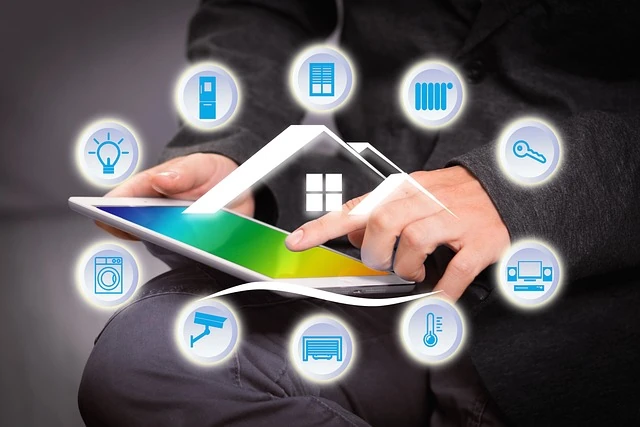
5G brings much faster speeds‚ room for millions of IoT devices‚ more reliable connections and new services from telemedicine to smart cities.
Unmatched Speed and Performance
5G technology is known for its remarkable speed and performance. Unlike its predecessors‚ 5G can deliver internet speeds up to 100 times faster than 4G. This increase in speed significantly reduces latency and enables real-time communication and seamless online experiences. Whether it is downloading large files‚ streaming high-definition video or taking part in video calls‚ 5G improves the efficiency and quality of these activities.
Moreover‚ the high-speed capabilities of 5G enable advances in augmented reality (AR) and virtual reality (VR)‚ which require significant bandwidth to run smoothly. This opens up new possibilities for immersive experiences in gaming‚ education and training. As 5G networks continue to expand‚ users will enjoy even faster and more reliable internet connections that will transform everyday digital interactions.
Better Connectivity for IoT Devices
Another significant impact of 5G technology is its ability to support a huge number of Internet of Things (IoT) devices. 5G networks can handle millions of devices per square kilometer‚ compared with just a few thousand supported by 4G. This capability is essential as more and more devices come online‚ from smart home devices to industrial sensors.
The improved connectivity of 5G enables more efficient data transfer and communication between these devices. For example‚ smart cities can benefit from 5G by deploying more responsive traffic management systems‚ efficient public services and improved environmental monitoring. In the industrial sector‚ 5G enables real-time data analysis and automation‚ which leads to higher productivity and operational efficiency.
Improved Reliability
5G technology offers improved reliability and coverage compared with previous generations. The network's advanced infrastructure provides more consistent and stable connections and reduces the likelihood of dropped calls and service interruptions. This is especially beneficial in areas with high user density‚ such as city centers‚ where 4G networks may struggle to maintain performance.
In addition‚ 5G networks use a combination of high-frequency and low-frequency bands to ensure better coverage. While high-frequency bands offer faster speeds and greater capacity‚ low-frequency bands provide wider coverage and better penetration through obstacles. This dual-band approach improves the overall reliability of the network and gives users access to high-quality communication services in different environments.
Driving Innovation in Communication
The arrival of 5G is driving innovation in communication technologies and leading to the development of new applications and services. The technology's low latency and high bandwidth enable advances in fields such as telemedicine‚ autonomous vehicles and smart manufacturing. For example‚ telemedicine platforms can provide remote consultations with minimal delay‚ while autonomous vehicles rely on real-time data exchange to navigate safely.
As 5G technology continues to evolve‚ it will pave the way for new breakthroughs in communication. Innovations such as holographic calls‚ advanced machine-to-machine communication and enhanced digital experiences are becoming more practical with the capabilities of 5G. This technological evolution is set to change the way we interact with technology and with each other in the future.
Summary
5G technology is revolutionizing communication by delivering unmatched speed‚ enhanced connectivity and improved reliability and by driving innovation across various sectors. Its impact goes beyond faster internet speeds and reshapes the way we interact with technology and with each other. As 5G networks become more widespread‚ they will continue to bring transformative changes‚ make communication more efficient and open up new possibilities for technological progress. In Israel and around the world‚ the continued rollout of 5G will play a crucial role in shaping the future of communication and digital connectivity.