
Forecasts for the Coming Years in the World of Consumption
Personalization‚ game-like shopping‚ social commerce‚ transparency‚ renting instead of buying and the role of emotion: where consumption is heading next.
Personalized Consumption
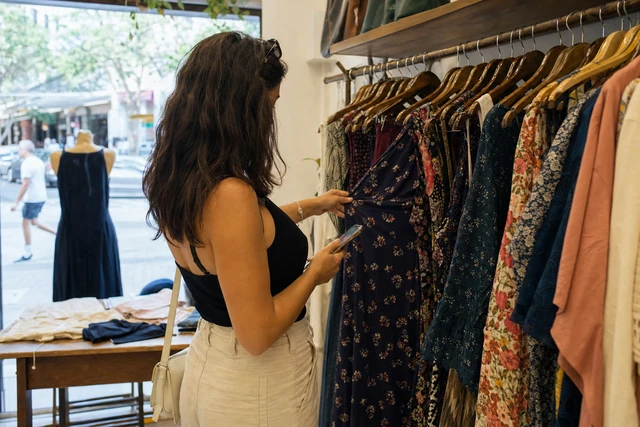
In the coming years we will see a sharp shift from generic offers to products and services personalized at the level of the individual user. The consumer of the future will expect recommendations based on their personal preferences‚ purchase history‚ browsing habits and even their mood at that moment. Technologies such as artificial intelligence and machine learning allow brands to predict behavior‚ understand context and create shopping experiences that feel as if they were made just for us. The concept of "One Size Fits All" will simply disappear.
Shopping That Feels Like a Game
One of the main directions in which the shopping experience is developing is the world of gamification - turning the act of buying into an interactive‚ immersive‚ reward-based experience. This means apps that reward users for trying things‚ online stores that incorporate virtual reality‚ and websites where choosing an item feels like a surprising game. The result is not only differentiation - but also a deeper emotional connection with the brand. There is no doubt that this field will become an integral part of the digital shopping experiences expected to take over the market.
The Rise of Social Commerce
This is a phenomenon in which purchases are made inside social platforms - Instagram‚ TikTok‚ YouTube and sometimes even WhatsApp. Instead of leaving the app to buy‚ users stay inside the experience - watching‚ getting impressed‚ reacting and buying instantly. The line between promotional content and emotional content is blurring‚ creating a new arena in which each of us can be both a buyer and an influencer. Brands that fail to fit into the social landscape will find themselves left behind.
Transparency and Loyalty as a Leading Value
The new consumers are no longer satisfied with a good product at a competitive price. They want to know where the product came from‚ who made it‚ under what conditions‚ whether sustainable materials were used and whether the brand is committed to a social or environmental agenda. Buyers are willing to pay more for a brand whose values match their own - and to abandon a brand that behaves unethically immediately. Transparency will turn from a luxury into a basic standard‚ and customer loyalty will be based on trust‚ not just on discounts.
The Influence of the Younger Generation
Generation Z and Generation Alpha - digital natives and committed consumers of digital media - are about to change the rules of the game. They expect fast‚ intuitive‚ colorful and instant experiences. They are not impressed by classic advertising‚ and they look for authenticity. In their eyes‚ the buying process is entertainment‚ identification and emotional connection all at once. Whoever manages to crack their code will enjoy especially loyal customers - and whoever does not will remain relevant only to the older generation.
The Shift from Consuming to Exchanging
One of the most intriguing trends is a decline in purchases and a rise in rental‚ sharing and swapping models. More and more people will prefer to rent clothes for a one-time event‚ swap items with others instead of buying new ones‚ or take out a monthly subscription to use a particular product. These new economic models reflect a broad trend of consumer responsibility‚ saving money and environmental awareness. The consumer of the future will not only ask "how much does it cost?"‚ but also "is there a way to use it without buying it?".
The Growing Presence of the Visual Voice
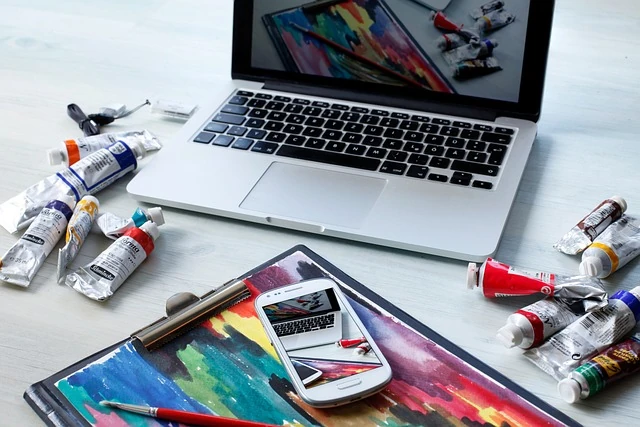
The eye has become the central organ in our consumer decisions. Design‚ aesthetics‚ color palette and brand feel - all of them have more influence than ever. Networks such as TikTok and Instagram emphasize the importance of visuals‚ and brands respond accordingly: they design elegant packaging‚ build websites that look like magazines and invest in perfect photography even for simple items. If the product does not look good - it simply will not sell‚ even if it is useful‚ high quality and cheap.
The Role of Emotion in Buying
In the past‚ the assumption was that consumers act rationally - choosing a product according to need‚ price and quality. But in reality‚ most decisions are made on an emotional level. A sense of belonging‚ a nostalgic memory‚ an inspiring design or a feeling of self-indulgence - all of these influence the choice far more than the technical specifications. Brands that understand this invest in a narrative‚ not just in product features. The story around the product is part of the service it provides.
Expanding the Boundaries of Time and Place
Consumption has long stopped depending on opening hours or geographic proximity. You can shop at night‚ from your phone‚ while traveling and even during a Zoom meeting. The boundaries between online and offline are blurring - physical stores offer digital experiences‚ and websites create temporary physical pop-ups. These are changes in shopping habits that are transforming the entire traditional retail model and demand exceptional flexibility from businesses that want to survive.
The Consumer as a Design Partner
Another trend is the strengthening of the connection between the consumer and the product through personalization processes. You can choose colors‚ add engraving‚ assemble products to personal taste or influence future products through surveys and social networks. This way‚ the consumer does not only buy - they create‚ influence and feel involved.
Summary
The world of consumption in the coming years is going to be more personal‚ more digital‚ more emotional and more responsible. This does not mean that stores will disappear or that buying will happen only through apps - but that the whole system will become multi-layered and more complex. Consumers will need to learn to think differently‚ examine their choices in depth and remember that consumption has consequences. Businesses will need to listen‚ adapt and remember that every product also has a story - and that it needs to be told well.