

A Yard Upgrade Starts Below the Surface: The Checks That Come Before Choosing the Look
The soil‚ drainage‚ slope‚ pipe and root checks worth doing before a yard upgrade‚ so the new surface stays level and dry for years.
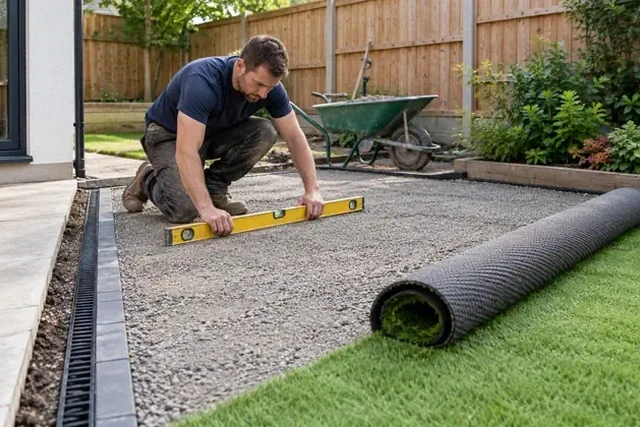
One of the places where these checks are felt most is the installation of synthetic surfaces‚ which are laid over layers of base material and need a stable‚ well-drained foundation. A quote for artificial grass with full installation should spell out the preparation work: excavation to the required depth‚ removal of roots and weeds‚ and spreading and compacting the base. When the preparation is done seriously‚ the surface stays level and even for years‚ and water does not collect underneath it. A quote that skips these stages may look cheaper and turn out to be more expensive later. It is worth asking the contractor to explain which checks they will carry out before starting work and what will happen if problems are found.
Soil Type and Composition
Soils in Israel vary from region to region‚ and in the valleys and the inner Shfela heavy clay soil is common‚ swelling when wet and shrinking in the heat. Such soil drains slowly and sometimes forms puddles that remain for days after rain. Sandy soil‚ common along the coastal strip‚ drains quickly but struggles to hold a stable structure without compaction. A simple test‚ in which you dig a hole about 30 centimeters deep‚ fill it with water and measure the rate of infiltration‚ gives a first idea of how the ground behaves. This information affects the depth of excavation‚ the type of base required and the need for additional drainage solutions.
Rainwater Drainage
Water that cannot find a way out is the main cause of subsidence‚ odors and damage to the layers beneath the surface. Before any upgrade‚ it is worth watching the yard during heavy rain and marking where water collects and where it flows. Gutters that drain straight into the yard‚ walls that block the flow and adjacent sealed surfaces load large amounts of water onto a small area. In such cases a drainage channel‚ a perforated pipe inside a gravel layer or a soakaway pit may be needed. A drainage solution planned in advance costs far less than dismantling an existing surface to fix a problem discovered after installation.
Slopes and Flow Direction
Even a yard that looks completely flat needs a gentle slope that carries water away from the house. A slope of one to two percent‚ that is one to two centimeters per meter‚ is usually enough to prevent water from pooling without the eye noticing it. Measuring with a laser level or a clear water hose reveals dips and bumps that are not visible at a normal glance. When the slope points toward the walls of the house‚ water can seep into the foundations and cause damp on the interior walls. The slope is corrected at the ground leveling stage‚ before the base is spread‚ so it is important to set it right at the start of the work.
Buried Pipes and Cables
Water pipes‚ sewer lines‚ electrical and communication cables and old irrigation piping often run beneath a yard. Digging blind can damage them‚ cause costly harm and even create a safety hazard. It is worth locating the house plans‚ checking where the inspection chambers are and asking the previous owners about work done in the past. When in doubt‚ underground utility detection with dedicated equipment can be used before excavation begins. This is also a good opportunity to replace old irrigation piping or run empty conduits for future electrical work while the ground is open.
Roots of Existing Trees
Mature trees add shade and beauty‚ but their root systems sometimes spread far beyond the canopy line. Shallow roots of ficus‚ eucalyptus or pine can lift paving‚ crack paths and create bumps in soft surfaces. Before the work‚ it is worth identifying the trees in your yard and in neighboring yards and estimating how far their roots reach. A root barrier membrane buried vertically in the ground can protect sensitive areas without harming the tree's health. Work that could harm a mature tree‚ including felling or relocation‚ in some cases requires a permit from the forestry officer‚ so it is important to check this in advance.
Pests in the Soil
Ants‚ mole rats and other rodents can burrow beneath the surface layers and lead to local subsidence. Signs such as fresh mounds of earth‚ burrows or active nests indicate activity that should be dealt with before installation. Thorough clearing of plant residue and organic material makes the area less attractive to pests. In some cases it is worth consulting a licensed pest control professional‚ who will choose a treatment method suitable for a home with children and pets. A weed membrane under the base layer also helps reduce the growth of perennial weeds‚ which can break through various surfaces.
Compacting the Base Layer
The layer laid over the natural soil is the foundation on which the entire upgrade rests‚ and the quality of its compaction determines how stable the surface will be. Usually a Type A sub-base or fine gravel is used‚ spread in layers and compacted with a vibrating compactor. Partial compaction leads to subsidence and waves in the surface‚ especially in areas with regular foot traffic. Controlled wetting of the base before compaction improves the result and helps the particles settle into place. It is worth checking the surface of the layer with a long straightedge before laying the top material‚ and fixing every dip at this stage.
Height Relative to the House Thresholds
One of the common mistakes in a yard upgrade is raising the ground surface to the height of the door thresholds or even above them. In that situation water from rain or irrigation can flow inside‚ and moisture builds up at the base of the walls. It is worth measuring in advance the height of the threshold‚ the level of the interior flooring and the height of the ventilation and drainage openings in the exterior walls. A difference of a few centimeters between the yard surface and the house floor creates an important safety margin. When it is not possible to keep this difference‚ a drainage channel right next to the threshold can provide a partial solution.
Documenting the Findings Before the Work
All of these checks are worth much more when they are documented in an orderly way. Photos of puddles after rain‚ pipes and roots marked on a sketch and height measurements allow the contractor to price the work accurately. The documentation also serves as a basis for comparing quotes and clarifies what is included in each quote and what is left out. It is worth keeping the documents after the work is finished as well‚ since they will help with any future repair or upgrade. A yard whose infrastructure is known and documented is easier to maintain and also adds value when the house is sold.
Summary
The look of an upgraded yard is ultimately determined by what is hidden beneath its surface. Checking the soil type‚ drainage and slopes prevents subsidence and puddles‚ and locating pipes and roots prevents costly damage. Dealing with pests‚ compacting the base correctly and keeping a margin below the house thresholds all contribute to a surface that stays stable over time. Orderly documentation of the findings makes it possible to compare quotes and plan maintenance. Those who invest in this hidden stage enjoy a yard that looks good on the first day and stays that way years later.