
How to Make Your Own Flavored Olive Oil at Home
How to choose a base oil‚ prepare herbs and spices‚ infuse the oil using the cold or heat method‚ and then store and use your homemade flavored oil.
Choosing the Right Olive Oil
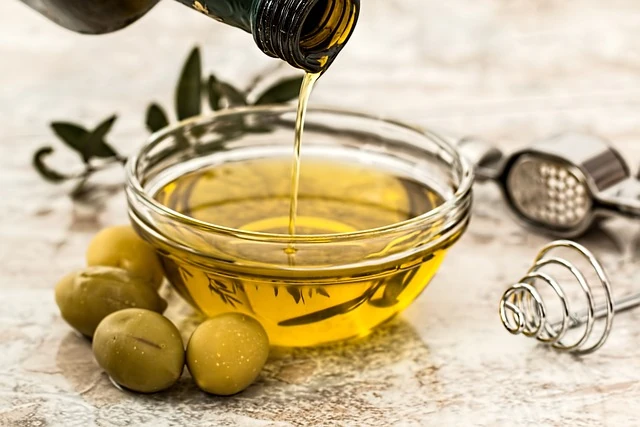
The quality of your flavored olive oil starts with the base oil you choose. Extra virgin olive oil is the best option for making infused oils‚ because it is made from pure‚ cold-pressed olives and retains the most flavor and nutrients. Look for an extra virgin olive oil with a flavor profile you enjoy‚ since it will form the foundation of your flavored oil.
Avoid using an olive oil that is too bitter or overpowering‚ as it can compete with the flavors you are trying to infuse. Instead‚ choose a mild‚ fruity olive oil that will complement and enhance the other ingredients.
Choosing and Preparing Flavors
When it comes to flavoring olive oil‚ the possibilities are endless. Popular choices include herbs such as rosemary‚ thyme‚ basil and oregano‚ and spices such as garlic‚ chili flakes and black peppercorns. You can also experiment with citrus peel‚ dried mushrooms or even truffles for a more luxurious flavor.
To prepare your ingredients‚ make sure they are clean and dry. Fresh herbs and garlic should be washed and dried thoroughly to prevent bacterial growth. If you are using dried ingredients‚ make sure they are free of moisture to preserve the shelf life of the oil. Lightly bruise or crush the herbs and spices to help release their essential oils and improve the infusion process.
Infusion
There are two main methods for infusing olive oil: cold infusion and heat infusion. Cold infusion involves placing your chosen flavorings directly into a bottle of olive oil and leaving it at room temperature for several weeks. This method is ideal for delicate herbs such as basil or parsley‚ which can lose their flavor when heated.
Heat infusion‚ on the other hand‚ is faster and works well for stronger ingredients such as garlic‚ rosemary or chili flakes. To use this method‚ gently warm the olive oil in a saucepan over low heat‚ add the flavorings and let the mixture steep for 10-15 minutes. Be careful not to overheat the oil‚ as this can cause it to lose its beneficial properties.
After infusing‚ strain the oil through a fine sieve or cheesecloth to remove the solids‚ leaving you with a smooth‚ flavorful oil. Transfer the oil to a clean‚ airtight bottle and store it in a cool‚ dark place.
Storing and Using Flavored Olive Oil
Homemade flavored olive oil should be stored in a cool‚ dark place‚ away from direct sunlight and heat‚ to preserve its flavor and quality. Use dark glass bottles to protect the oil from light‚ which can cause it to go rancid. Properly stored flavored olive oil can last up to a month‚ although it is best used within two weeks for the freshest flavor.
Flavored olive oil is extremely versatile and can be used in a wide range of dishes. Drizzle it over roasted vegetables‚ grilled meats or fresh salads. Use it as a dipping oil for bread‚ or stir it into pasta or risotto for an extra layer of flavor. It also makes an excellent base for homemade salad dressings or marinades.
Conclusion
Making your own flavored olive oil at home is a simple and rewarding process that lets you tailor the flavors to your taste. By choosing a quality olive oil and experimenting with herbs‚ spices and other ingredients‚ you can create a versatile kitchen staple that adds depth and richness to your dishes. Whether you want to liven up a simple salad or create a gourmet meal‚ homemade flavored olive oil is a delicious way to elevate your cooking. So why not give it a try and enjoy the fresh‚ vibrant flavors of your own creations?