
Top Tips for Driving Safely in Heavy Rain
Slowing down‚ keeping your distance‚ using lights and wipers‚ braking gently and avoiding flooded roads all make driving in heavy rain safer.
Slow Down and Keep Your Distance
One of the most important rules when driving in heavy rain is to reduce your speed. Wet roads can be slippery‚ which makes it harder for your tires to keep their grip. By slowing down‚ you give yourself more time to react to sudden stops or changes in traffic conditions.
Reducing Your Speed
Driving at a slower speed in the rain reduces the chances of hydroplaning‚ which happens when your tires lose contact with the road and slide on a layer of water. Slowing down also helps you keep better control of your vehicle‚ especially when turning or taking curves.
Increasing Your Braking Distance
In wet conditions‚ your car's stopping distance increases. To account for this‚ increase the distance between your car and the vehicle in front of you. A larger following distance gives you more time to brake safely and avoid rear-end collisions.
Use Your Headlights and Wipers
Visibility suffers in heavy rain‚ which makes it harder for you to see other vehicles and for them to see you. Using your headlights and wipers effectively can greatly improve your visibility and safety.
Make Sure to Turn on Your Headlights
Even during the day‚ turn on your headlights whenever it rains. Headlights help you see the road better and make your car more visible to other drivers. In many places‚ using headlights in rainy conditions is also the law.
Make Sure Your Wipers Are in Good Condition
Your wipers are your first line of defense against rain‚ so make sure they are in good working order. If your wipers leave streaks or don't clear the windshield effectively‚ replace them. Use your wipers at the setting that matches the intensity of the rain to keep your windshield clear.
Avoid Sudden Movements and Brake Gently
Sudden movements can cause your car to skid or lose control on wet roads. To stay in control of the vehicle‚ drive smoothly and avoid sudden turns‚ lane changes or braking.
Brake Gently
When you need to slow down or stop‚ apply the brakes gently and gradually. Slamming on the brakes can cause your wheels to lock and your car to skid. If your vehicle has an anti-lock braking system (ABS)‚ it will help prevent the wheels from locking‚ but you still need to brake carefully.
Avoid Sharp Turns
Sharp turns at high speeds in the rain increase the risk of losing control. Slow down before entering a curve or a turn and steer gently through it. If you start to skid‚ steer into the skid and avoid overcorrecting to regain control.
Stay Alert and Avoid Distractions
Driving in heavy rain requires your full attention. Stay focused on the road and be aware of your surroundings at all times. Avoid any distractions that could take your eyes off the road or your hands off the wheel.
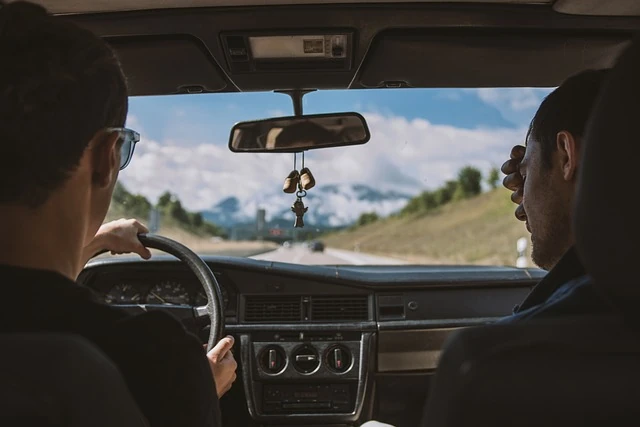
Keep Both Hands on the Wheel
Keeping a firm grip on the steering wheel with both hands allows you to react quickly to any unexpected situation. Wet roads can be unpredictable‚ and you need to be ready to respond immediately to prevent accidents.
Avoid Using Your Phone
Using your phone while driving is dangerous in any circumstances‚ but it is especially dangerous in heavy rain. If you need to make a call or send a message‚ pull over safely before you do so. It is important to keep your attention on the road when visibility is reduced and conditions are dangerous.
Avoid Puddles and Flooded Areas
Puddles and standing water on the road can be more dangerous than they look. Driving through deep water can cause your car to hydroplane or‚ worse‚ damage your engine.
Avoid Driving Through Deep Water
If you come across a large puddle or a flooded area‚ it is best to avoid driving through it whenever possible. Even shallow water can cause your car to hydroplane‚ and deeper water can damage your vehicle's engine or electrical systems. If you must drive through water‚ do it slowly and steadily to reduce the risk of hydroplaning.
Check for Closed Roads
Before heading out in heavy rain‚ check local traffic reports for road closures due to flooding. Plan your route accordingly to avoid any areas that may be unsafe or impassable because of water on the road.
Summary
Driving in heavy rain requires extra caution and awareness to ensure your safety and the safety of others on the road. By slowing down‚ using your headlights and wipers‚ avoiding sudden movements‚ staying alert and steering clear of puddles and flooded areas‚ you can significantly reduce the risks of driving in wet weather. Remember that safety should always be your top priority‚ and taking these precautions will help you get through heavy rain more safely.